

After years of anticipation and multiple iterations, the return to the gothic roots of the Diablo franchise has finally arrived with Diablo 4. While its immediate predecessor, Diablo 3, leaned into a more vibrant, high-fantasy aesthetic, Diablo 4 makes a conscious and dramatic pivot back to the series' darker origins. This is not merely a surface-level change; it is a philosophical shift that permeates every aspect of the game, from its brutal art direction to its grim narrative and unforgiving world. It is a love letter to the atmosphere that made the franchise legendary.
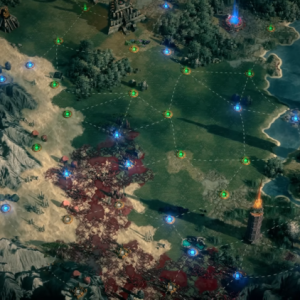
From the opening cinematic, the tone is unmistakably established. The world of Sanctuary is in a state of ruin. Demonic corruption seeps across the land, twisting both the landscape and its inhabitants into grotesque parodies of their former selves. The visual direction draws heavily from the dark fantasy paintings of classic artists like Frank Frazetta and H.R. Giger, resulting in a world that feels visceral, grounded, and deeply unsettling. Bodies hang from pikes. Blood stains the cobblestones. The architecture is oppressive, built from jagged bone and rusted iron. This commitment to a mature, horror-infused aesthetic immediately signals to players that this is not a heroic power fantasy; it is a desperate struggle for survival.
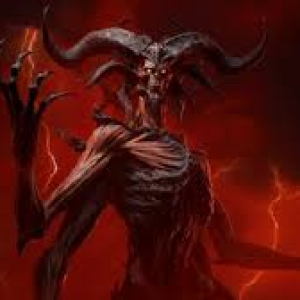
The narrative of Diablo 4 reinforces this grim atmosphere. The story focuses on the return of Lilith, the Daughter of Hatred, whose complex motivations blur the lines between good and evil. She is not a cartoonish villain twirling her mustache; she is a tragic figure whose actions, however brutal, are driven by a twisted maternal instinct. This moral ambiguity extends throughout the campaign. The player character is not a chosen savior but a wanderer caught in a conflict far larger than themselves. The supporting cast is plagued by doubt, fear, and their own personal demons. The world feels genuinely hopeless, and every small victory is hard-won.
This darkness is also reflected in the core gameplay loop. Diablo 4 introduces a level of challenge and consequence that harkens back to the series' roots. The open world is dangerous, populated by elite packs of monsters that can easily overwhelm an unprepared player. The "Renown" system encourages thorough exploration, rewarding players for cleansing dungeons and discovering hidden areas. At the highest levels, the Paragon Board offers a deep, complex system of character progression that allows for immense specialization but requires careful planning. The endgame introduces Nightmare Dungeons and Whispers of the Dead, challenging activities that demand optimized builds and coordinated teamwork.
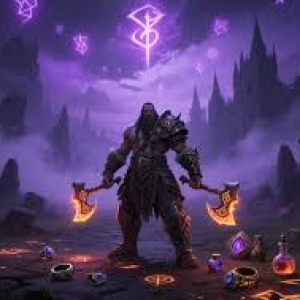
The character classes themselves feel grounded in this brutal reality. The Barbarian is a hulking brute, carved from muscle and rage. The Sorceress wields elemental power, but her animations suggest a constant struggle to control forces that could consume her. The return of the Rogue, a class defined by shadow and precision, feels perfectly at home in this unforgiving world. Every class, from the shapeshifting Druid to the minion-master Necromancer, is built to survive a world that wants them dead.
Diablo S12 Items is a triumphant return to form. It proves that the series has not forgotten its soul. By embracing the darkness, by refusing to compromise on its mature themes and challenging gameplay, it has created an experience that feels both classic and fresh. It is a world you will love to hate, and a nightmare you will not want to wake from.