
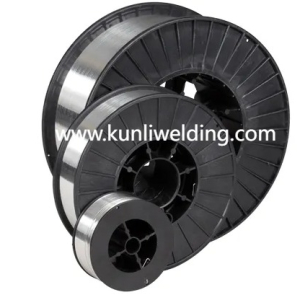
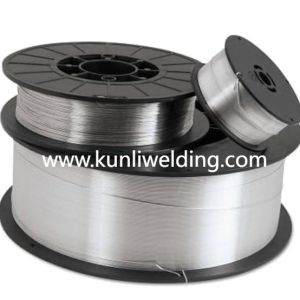
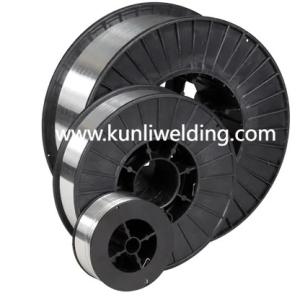
Welding engineers and process developers know that the quality of a weld begins long before the arc is struck. Proper care and storage of Aluminum Welding Wire ER5183 can mean the difference between a flawless fusion and a frustrating rework. Understanding how to preserve this wire is not just a matter of housekeeping — it directly affects metallurgical integrity, surface condition, and the geometric stability that modern welding processes depend on.
Why Wire Condition Matters More Than You Think
When welding wire degrades, the effects are rarely dramatic at first. Oxidation creeps across the surface. Moisture finds its way into storage packaging. Small deformations occur during handling. Each of these changes introduces variability into the arc, the melt pool, and ultimately the finished joint. For welding engineers who need repeatable, stable results across production runs, even minor wire degradation can translate into inconsistent penetration, porosity, or fusion defects that are difficult to trace back to their source.
The challenge is that aluminum welding wire is particularly sensitive. Unlike steel wire, aluminum oxidizes quickly when exposed to air, and its oxide layer does not conduct electricity the same way the base metal does. This means that surface condition is not just a cosmetic concern — it is a process variable.
Storage as a Foundation of Wire Health
Controlled storage is where wire maintenance begins. Temperature and humidity fluctuations are among the leading causes of surface degradation. Storing wire in a climate-controlled environment prevents condensation from forming on the wire surface, which would otherwise promote oxidation and introduce hydrogen into the weld pool during welding.
Sealed packaging should remain intact until the wire is ready for use. Once opened, wire spools should be used within a reasonable timeframe and resealed or stored in dry cabinets when not in active use. Some facilities use desiccant packs inside storage containers for added protection against moisture.
Physical storage also matters. Wire spools should never be stacked in ways that cause the wire to deform under pressure. Geometric stability — the straightness and roundness of the wire — directly influences how smoothly it feeds through liners and contact tips. Even subtle kinking or ovality can cause erratic feeding, arc instability, and unnecessary downtime.
Handling Practices That Protect the Wire Surface
Handling is an often overlooked aspect of wire maintenance. Oil, grease, and skin oils transferred during handling can contaminate the wire surface and cause weld porosity. Wearing clean gloves when touching wire spools or feeding wire manually is a simple practice with a significant payoff.
Wire should never be dragged across rough surfaces or allowed to contact dirt and debris. Keeping work areas clean and organized reduces the risk of surface contamination. Feed path components — liners, drive rolls, and contact tips — should be inspected and cleaned regularly. A liner clogged with aluminum dust or debris will abrade the wire surface and introduce particles into the weld pool.
Drive roll pressure is another practical consideration. Excessive pressure crushes the wire slightly, altering its geometry and creating metal shavings that contaminate the feed system. Setting drive rolls to the minimum effective pressure preserves wire shape while still maintaining reliable feed.
Process Consistency Through Routine Inspection
Building a routine inspection process into your workflow supports both wire quality and process repeatability. Before starting a production run, a quick visual check of the wire for discoloration, surface oxidation, or physical damage takes only moments but can prevent hours of troubleshooting later. Wire that shows a dull gray cast or visible pitting should be removed from service.
Tracking wire age is also useful. Even in ideal storage conditions, wire has a practical shelf life. Rotating stock on a first-in, first-out basis ensures that older wire is used before newer stock and reduces the risk of running degraded material through critical welds.
Welding engineers who document wire handling procedures, storage conditions, and inspection intervals create a knowledge base that supports process development and helps new team members maintain the same standards. Consistency in wire care translates directly to consistency in weld quality.
Bringing It All Together
For process developers, wire maintenance practices are not separate from the welding process — they are part of it. Every decision about storage, handling, and inspection influences the condition of the wire that enters the contact tip and the arc that follows. Aluminum Welding Wire ER5183 performs reliably when it is treated with the same attention to detail that goes into every other aspect of weld procedure development.
Building robust maintenance habits takes time, but the returns are real: fewer defects, more stable arcs, and weld results that hold up to scrutiny. When the wire is in good condition, the process has one fewer variable to manage. If your current wire maintenance approach is not delivering the consistency your work demands, could a closer look at storage and handling practices be the adjustment that changes everything? For more product details, visit: https://kunliwelding.psce.pw/8p6qdv .