
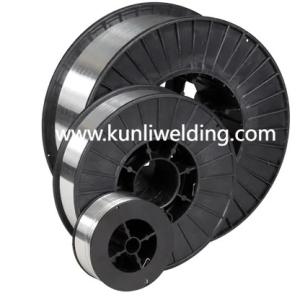
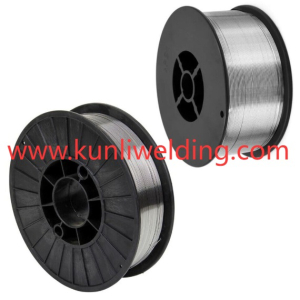
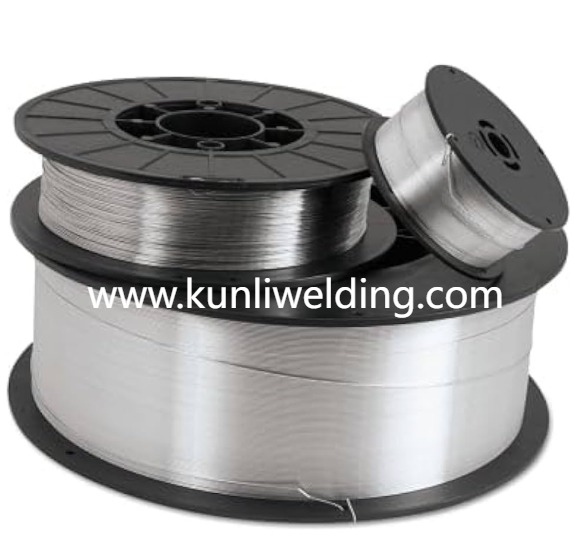
Filler materials used in lightweight metal fabrication derive their mechanical and environmental performance characteristics from carefully balanced chemical compositions. Among various elemental additions, magnesium plays a particularly significant role in determining how welding consumables perform under structural loads and environmental exposure. When fabricators select Aluminum Welding Wire ER5183 for marine, transportation, or structural applications, they benefit directly from the magnesium content engineered into this specific filler composition. Understanding the metallurgical mechanisms through which this alloying element enhances both strength and corrosion resistance helps welders appreciate why certain filler selections prove more suitable for demanding service conditions.
Magnesium functions primarily through solid solution strengthening, a mechanism where dissolved atoms distort the crystal lattice structure of aluminum. These distortions create obstacles that impede dislocation movement through the metal when stress is applied. Dislocations represent defects in the atomic arrangement that allow metals to deform plastically under load. When magnesium atoms occupy positions within the aluminum crystal structure, they create local strain fields due to size differences between magnesium and aluminum atoms. These strain fields interact with moving dislocations, requiring higher applied stress to continue plastic deformation. The result manifests as increased yield strength and tensile strength compared to pure aluminum or compositions with lower magnesium levels.
The concentration of magnesium influences the magnitude of strengthening achieved. Higher magnesium content generally produces stronger alloys, though practical limits exist beyond which other properties may degrade or processing becomes difficult. The particular composition of this filler material balances strength enhancement against other necessary characteristics like weldability, ductility, and crack resistance. This balance ensures the material produces strong weld deposits while remaining practical for typical welding operations across various joint configurations and positions.
Corrosion resistance benefits from magnesium presence through multiple mechanisms operating simultaneously. Aluminum naturally forms protective oxide films when exposed to atmosphere or aqueous environments. These thin, adherent layers prevent deeper metal attack by blocking access of corrosive species to underlying material. Magnesium additions modify the nature and stability of these protective films in ways that enhance corrosion resistance, particularly in marine environments where salt water exposure represents a significant degradation threat. The alloying element influences both the initial formation kinetics of protective layers and their long term stability under environmental exposure.
Electrochemical factors also contribute to corrosion performance in aluminum magnesium alloys. When different aluminum compositions exist in electrical contact within corrosive environments, galvanic relationships develop where one material preferentially corrodes to protect the other. Magnesium content influences the electrochemical potential of aluminum alloys, affecting these galvanic relationships when dissimilar materials join together. Properly selected filler compositions create compatible electrochemical characteristics with common base materials, preventing accelerated corrosion at weld interfaces that could compromise structural integrity over time.
The protective oxide film formed on magnesium containing aluminum alloys demonstrates self healing characteristics valuable for long term corrosion protection. When mechanical damage or other factors disrupt the protective layer locally, rapid repassivation occurs as fresh oxide forms to seal the exposed area. This self healing behavior maintains corrosion protection even when surface damage occurs during service, contributing to the long term durability of structures fabricated with appropriate filler materials.
Magnesium also influences weld metal microstructure in ways that indirectly affect both mechanical properties and environmental resistance. The solidification behavior of molten weld pools changes with magnesium content, affecting grain size, grain boundary character, and the distribution of secondary phases within solidified metal. Finer grain structures generally provide improved strength and toughness, while grain boundary chemistry influences susceptibility to intergranular corrosion in certain environments. The specific magnesium level in this composition promotes favorable microstructural characteristics supporting both mechanical performance and environmental durability.
Fabricators working in marine construction, pressure vessel manufacturing, and structural applications benefit from understanding these metallurgical principles when selecting filler materials. The combination of strength and corrosion resistance proves particularly valuable where components face both mechanical loading and environmental exposure throughout their service life. Technical specifications and detailed composition information for various aluminum filler materials remain accessible at https://kunliwelding.psce.pw/8p6qdv where comprehensive resources support informed material selection decisions matching specific application requirements and performance expectations in demanding fabrication environments.