
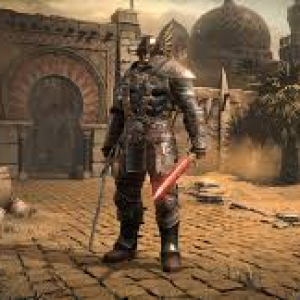
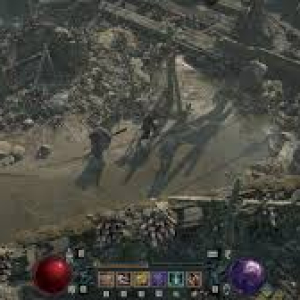
Diablo 4 introduces a dedicated, and deliberately isolating, space for player-versus-player conflict: the Fields of Hatred. These are three specific zones within the open world—distinct areas of the Dry Steppes, Kehjistan, and Hawezar—where the normal rules of Sanctuary are suspended. Here, the most dangerous enemy is not a demon, but another player. This opt-in system carves out a niche for those seeking a high-risk, high-reward experience far removed from the cooperative PvE grind, creating a tense, lawless ecosystem governed by betrayal, ambush, and the pursuit of bloody currency.
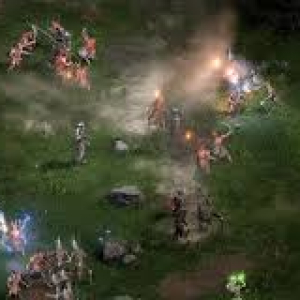
Upon entering a Field of Hatred, a player's potential for conflict shifts. They remain in a default neutral state but can choose to activate a "Mark for Blood" status at any time. This makes them hostile to all other Marked players and vulnerable to attack, but also enables them to collect Seeds of Hatred, the unique PvP currency, from slain monsters. The true prize, however, are Red Dust Shards, which are extracted from Seeds at specific altars scattered across the zone. This extraction process is a public event; a loud, visible beam of light signals to everyone on the map that a player is vulnerable and holding valuable shards. It is a magnet for conflict, forcing a tense choice: defend the extractor, attempt to steal from it, or avoid the area entirely. This central mechanic ensures that PvP is rarely a random skirmish but a focused battle over a deliberate, high-stakes objective.
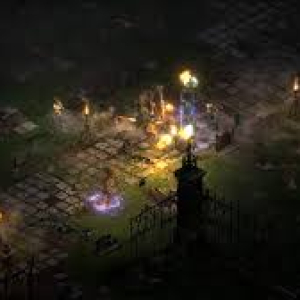
The atmosphere within these zones is uniquely oppressive. The usual ambient music is replaced by a quieter, more suspenseful track. The visual tone is darker, with a crimson haze tinting the air. Everything encourages paranoia. Another player approaching could be a friendly adventurer ignoring PvP, or a predator waiting for the perfect moment to strike. This constant, low-grade tension is the defining feature of the Fields. Success requires a different skillset than PvE: awareness of escape routes, understanding crowd-control abilities for use against human targets, and the psychological warfare of choosing when to flag for combat.
The rewards for engaging in this cycle are primarily cosmetic and prestige-based. Red Dust is used to purchase unique armor transmogs, mounts, and trophies from a dedicated vendor. There are no raw power advantages tied to PvP gear, keeping the mode optional and preventing a power imbalance in the broader PvE game. The true reward is the experience itself—the adrenaline of a close duel, the satisfaction of a well-executed ambush, or the thrill of successfully extracting a full cache of shards under pressure.
The Fields of Hatred are a self-contained experiment in anarchy. They are not for everyone, and the game makes no pretense that they are. They exist as a pressure valve, a place where the darker impulses of Sanctuary's heroes can be unleashed against each other in a controlled environment. By tying rewards to a risky public activity,Diablo 4 Boosting creates a compelling, emergent gameplay loop of farming, extraction, and theft that stands in stark contrast to the structured, goal-oriented progression of its PvE endgame. It is a brutal, often unforgiving corner of the world, but one that successfully captures the "strife" embedded in the game's very title.