

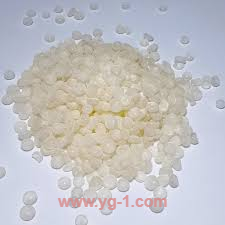
A rubber manufacturing facility generates waste at multiple production stages. Mixing equipment requires cleaning between batches, producing contaminated solvent. Expired raw materials accumulate in storage areas. Off-specification batches cannot ship to customers. Each waste stream potentially contains uncured vulcanizing resin that has not undergone crosslinking reactions. The environmental question becomes: what are the considerations for disposing of waste containing uncured vulcanizing resin? YG-1 DongHai, a manufacturer of rubber processing aids including vulcanization agents, recognizes that proper waste management protects both environmental health and regulatory compliance.
The fundamental hazard of uncured resin differs substantially from cured rubber products. A finished rubber item has undergone crosslinking, converting reactive chemical groups into stable carbon-carbon or carbon-sulfur bonds. The cured material shows low solubility, minimal toxicity, and resistance to environmental degradation. Uncured resin retains its reactive chemical functionality. It can leach into soil or water if landfilled. It may ignite more readily than cured rubber. Aquatic organisms exposed to uncured resin leachate exhibit toxic responses. These differences mean disposal methods appropriate for finished rubber goods do not apply to uncured production waste.
Classification of waste containing uncured resin requires laboratory analysis. A waste generator cannot assume material safety simply because the final product passes environmental tests. The uncured resin content, solvent carriers, and other compounding ingredients all affect hazard classification. YG-1 DongHai advises customers to test waste samples or obtain safety data sheets for each raw material used. A waste deemed hazardous under local regulations requires special handling, manifest documentation, and disposal at permitted facilities. Non-hazardous industrial waste may go to different disposal routes. Misclassification creates legal liability and environmental risk.
The thermal treatment option presents both benefits and challenges. High-temperature incineration in permitted facilities destroys uncured resin completely, breaking organic molecules into carbon dioxide and water vapor. Modern incinerators capture and treat combustion gases, preventing air pollution. The energy released during burning can generate steam or electricity, recovering value from waste. However, incineration requires careful temperature control. Incomplete combustion at low temperatures releases partially burned organic compounds, including potential dioxins from chlorine-containing resins. YG-1 DongHai specifies the proper incineration conditions for their resin products in accompanying documentation.
Chemical neutralization offers an alternative to thermal destruction for some waste streams. A uncured resin waste treated with appropriate reagents undergoes forced crosslinking, converting reactive material into inert cured polymer. The resulting solid resembles finished rubber and may qualify for landfill disposal under certain regulations. This approach consumes chemical reagents and produces its own secondary waste streams. However, on-site neutralization reduces the hazard classification of the waste, potentially lowering transportation and disposal costs. YG-1 DongHai provides neutralization guidance for customers generating large volumes of uncured resin waste, helping them select appropriate treatment chemistry.
The packaging of uncured resin waste affects disposal feasibility. Loose resin powder or flakes require containment to prevent dust dispersion during handling. Drums or bags containing uncured residues must seal completely, preventing moisture absorption that could initiate premature crosslinking. Waste containers require labeling with contents, hazard warnings, and accumulation start dates. Incompatible wastes must segregate to prevent dangerous reactions. YG-1 DongHai's safety data sheets include storage and segregation instructions that apply equally to waste materials awaiting disposal. A facility that stored raw resin correctly can apply those same practices to waste containment.
Regulatory frameworks vary across jurisdictions, creating compliance complexity for multi-site operations. The European Union's waste framework directive classifies certain resin waste codes. United States Environmental Protection Agency regulations list specific hazardous waste numbers for reactive organic compounds. Chinese environmental protection laws require waste generators to obtain disposal permits and maintain transfer documentation. YG-1 DongHai exports products to dozens of countries, each with distinct waste regulations. The company provides region-specific guidance to customers, recognizing that a disposal method legal in one country may violate environmental laws elsewhere.
Training personnel involved in waste handling prevents accidental releases. A worker who treats uncured resin waste as ordinary trash may place reactive material into unsorted municipal waste streams. Inappropriate disposal creates environmental contamination and regulatory penalties. YG-1 DongHai recommends regular training sessions covering waste classification, container selection, labeling requirements, and emergency response procedures. A trained workforce recognizes uncured resin waste immediately, knows which disposal containers to use, and understands never to mix incompatible waste types. This knowledge investment reduces environmental incidents and regulatory findings.
For customers seeking detailed disposal guidance, the technical resources at https://www.yg-1.com/news/industry-news/brief-introduction-of-5-types-of-rubber-vulcanizing-agents-1.html include information on resin chemistry that informs waste management decisions. A facility manager reads about the chemical structure of alkylphenol-formaldehyde resins, understanding why these materials resist biodegradation and require thermal treatment. An environmental compliance officer learns about the crosslinking reaction, recognizing why forced neutralization transforms hazardous waste into stable solid. A production supervisor applies this chemical knowledge to daily waste segregation practices, separating uncured resin wastes from recyclable scrap rubber. The educational content supports informed waste handling beyond basic disposal checklists.
Returning to the original question about environmental considerations, uncured vulcanizing resin waste requires careful management due to its reactive chemistry, mobility in the environment, and regulatory classification. The responsible generator analyzes waste composition, selects appropriate disposal routes, contains residues properly, and trains personnel. A facility that treats uncured resin waste as hazardous material protects soil and water resources while maintaining regulatory compliance. The alternative approach, assuming uncured resin presents no special concerns, risks environmental damage and legal consequences. Does your rubber processing facility have a written waste management plan specifically addressing uncured chemical residues, or does all production waste go into the same disposal stream regardless of composition?