
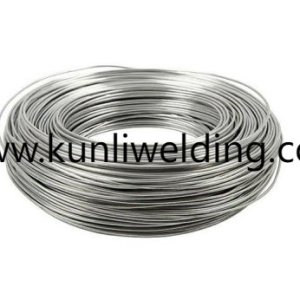
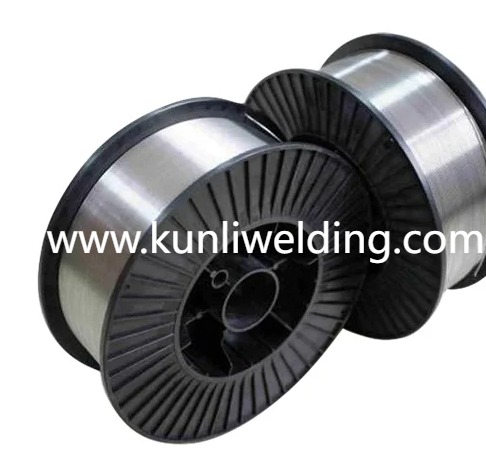
Silicon-enriched filler materials serve specific purposes in aluminum fabrication where crack resistance takes priority alongside acceptable mechanical properties. Aluminum Welding Wire ER4943 represents a composition containing both silicon and magnesium, creating characteristics differing from purely silicon-based or magnesium-based alternatives. This hybrid composition attempts balancing crack resistance from silicon content with strength enhancement from magnesium additions, creating a filler suitable for applications where both properties matter. When fabricators switch from other filler types to this composition, understanding parameter adjustments necessary for successful results helps avoid quality issues during transition periods.
The chemical composition contains silicon as the primary alloying element supplemented with magnesium additions creating a balanced property profile. The silicon content provides enhanced fluidity and crack resistance valuable when welding heat-treatable base alloys demonstrating solidification cracking tendencies. The magnesium addition contributes solid solution strengthening producing weld metal with higher tensile properties compared to purely silicon-based alternatives. This compositional balance creates a filler addressing competing demands for both weldability and mechanical performance.
Heat input requirements may differ when switching from magnesium-based fillers due to melting point and fluidity variations between compositions. Silicon-enriched materials generally demonstrate lower melting temperatures and enhanced flow characteristics compared to magnesium-based alternatives. Welders accustomed to magnesium filler behavior may find this composition flows more readily, requiring heat input adjustments preventing excessive fluidity causing sagging or burn-through on thin materials. Reducing current or increasing travel speed compared to previous parameters often proves necessary maintaining appropriate puddle control.
Wire feed speed relationships to voltage settings may require adjustment maintaining stable spray transfer characteristics. Different compositions exhibit varied electrical conductivity affecting arc behavior and metal transfer modes. The optimal voltage range for achieving smooth spray transfer with this composition may differ from previously used materials, requiring testing to identify appropriate settings. Starting from manufacturer recommended parameter ranges and adjusting based on observed arc behavior helps establish suitable settings.
Shielding gas flow rates typically remain similar to other aluminum filler types, though verifying adequate coverage remains important when changing consumables. The reactive nature of aluminum requires proper shielding regardless of specific filler composition. However, the enhanced fluidity of silicon-enriched materials may create larger weld pools potentially requiring slightly increased gas flow ensuring complete atmospheric protection across wider molten areas.
Travel speed adjustments accommodate flow characteristic differences between compositions. Materials flowing more readily than previous fillers may enable faster travel speeds improving productivity while maintaining acceptable bead appearance. Conversely, welders must guard against traveling too slowly with highly fluid materials, as excessive dwell time creates over-fill or cosmetic defects. Experimenting with travel speed variations while monitoring bead appearance identifies appropriate ranges for specific applications.
Contact tip selection and maintenance practices remain similar across aluminum filler types, though increased fluidity may affect burn-back frequency if stick-out distances prove inappropriate. Maintaining proper contact tip to work distance prevents excessive wire heating that exacerbates fluidity, potentially causing feeding problems or increased spatter. Regular tip replacement before significant wear prevents arc stability problems affecting quality regardless of filler composition.
Puddle manipulation techniques may require adjustment accounting for flow behavior differences. Silicon-enriched materials often demonstrate self-leveling characteristics requiring less weaving or manipulation creating uniform beads. Welders accustomed to extensive weaving techniques with previous materials may achieve better results with straighter travel patterns when using this composition. Observing puddle behavior during initial passes reveals whether technique modifications improve outcomes.
Position welding considerations become more critical with highly fluid materials, as gravity effects intensify when molten metal flows readily. Overhead and vertical applications may require parameter adjustments limiting puddle size maintaining control against gravitational forces. Reducing heat input compared to flat position work prevents excessive molten volume difficult to support in challenging positions.
Joint preparation requirements remain consistent across aluminum filler types, with cleanliness always critical regardless of specific composition. However, the crack resistance properties make this material more forgiving of minor fit-up irregularities compared to crack-sensitive alternatives. While proper joint preparation remains essential, the composition tolerates reasonable gap variations without excessive defect risk.
Post-weld inspection reveals whether parameter adjustments achieve desired results. Examining bead appearance, checking for porosity through radiography or visual breaks, and verifying mechanical properties through testing confirms whether established parameters produce acceptable quality. Systematic testing during transition periods prevents production quality issues from unverified parameter assumptions.
Documentation of successful parameter sets creates procedures supporting consistent future performance after transitions complete. Recording current, voltage, travel speed, and gas flow rates proven effective provides references for training new operators and troubleshooting future quality variations. Building institutional knowledge through documentation improves organizational capabilities over time.
Understanding these compositional characteristics and necessary parameter adjustments helps fabricators successfully transition to this filler material when application requirements favor its balanced property profile. Technical resources supporting material transitions and parameter development remain accessible at https://kunliwelding.psce.pw/8p6qax where application guidance aids welders adapting their techniques and equipment settings when changing filler compositions.