

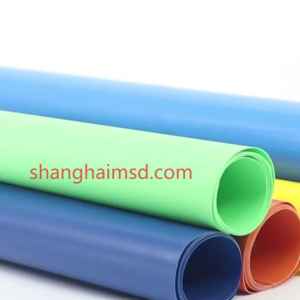
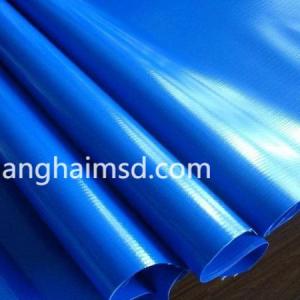
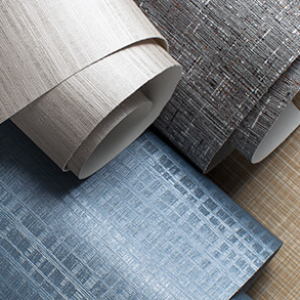

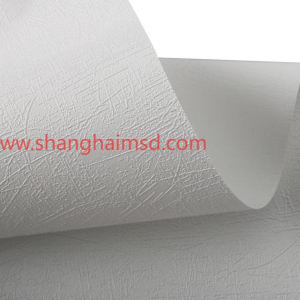
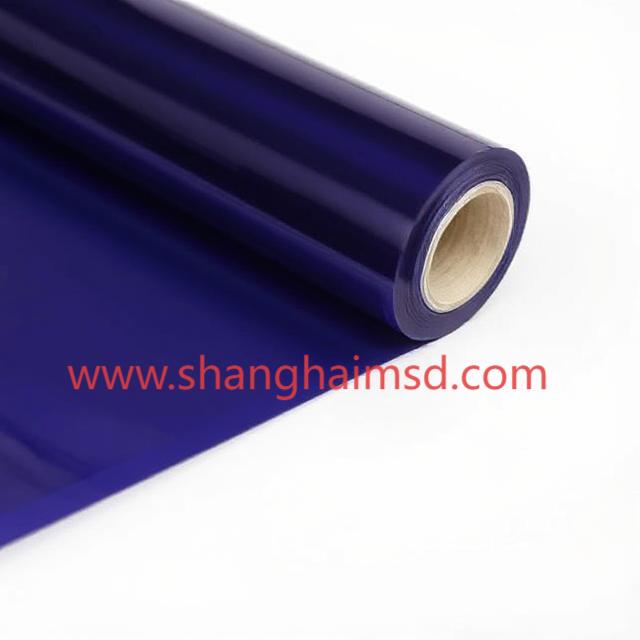
In modern material development, flexible composite films are essential for applications that require durability, elasticity, and environmental adaptability. TPU Compound Film plays a significant role in this field, offering a balance between mechanical strength and flexibility through its multi-layered construction. Shanghai MSD International Trade Co., Ltd. provides this advanced material to industries seeking reliable solutions for protective, functional, and decorative applications across a wide range of sectors.
The structure of TPU compound film is typically composed of a thermoplastic polyurethane layer combined with substrates such as textiles, polyester films, or other polymer materials. This layered configuration enhances performance by integrating the elasticity and abrasion resistance of TPU with the structural support of the base material. The result is a composite film that maintains flexibility while offering improved dimensional stability and mechanical strength. Depending on the design, the film can also provide waterproofing, breathability, or enhanced surface properties.
Manufacturing processes for TPU compound film involve precision lamination and coating technologies. Hot-melt lamination is widely used, where TPU is heated and bonded to the substrate without solvents, creating strong adhesion and supporting environmentally conscious production. Extrusion lamination is another key method, allowing TPU to be directly applied to the base material with consistent thickness and surface quality. Process control, including temperature, pressure, and speed, is critical to ensuring uniform bonding and maintaining the desired mechanical and optical properties of the film.
Material formulation is essential in determining the functional characteristics of TPU compound film. The hardness and elasticity of TPU can be adjusted to suit different applications, from soft and flexible films for wearable products to more rigid films for structural uses. Additives such as UV stabilizers enhance resistance to sunlight, while anti-hydrolysis agents improve performance in humid or wet conditions. Additional treatments, including anti-bacterial, flame-retardant, or anti-yellowing properties, can be incorporated to meet specific application requirements, ensuring durability and long-term reliability.
Performance testing ensures that TPU compound film meets the demands of various industries. Mechanical testing, including tensile strength, elongation at break, and tear resistance, evaluates the film’s ability to withstand stress. Abrasion resistance testing confirms durability in high-contact environments. Waterproof performance is measured through hydrostatic pressure testing, while breathability is assessed using water vapor transmission rate (WVTR) analysis. Environmental tests, such as UV exposure and temperature cycling, further verify the film’s stability under different conditions.
The application range of TPU compound film is extensive due to its unique combination of properties. In the textile and apparel industry, it is used for waterproof and breathable fabrics, enhancing comfort and protection in outdoor gear. In medical applications, TPU films are utilized for protective covers, inflatable devices, and hygiene products due to their flexibility and compatibility with sensitive environments. Industrial uses include protective coatings, flexible packaging, and automotive interior components, where both durability and appearance are important. The film is also widely applied in inflatable structures, where airtight performance and flexibility are essential.
Processing and fabrication techniques are designed to preserve the film’s performance characteristics. TPU compound film can be cut, heat-sealed, or welded using high-frequency methods to create durable and functional products. Its flexibility allows it to conform to complex shapes, while its strong adhesion ensures reliable bonding in multi-layer assemblies. Careful handling during processing helps maintain surface quality, especially in transparent or decorative applications where visual appearance is critical.
Sustainability considerations are increasingly integrated into the production of TPU compound films. Solvent-free lamination processes reduce environmental impact, while TPU’s recyclability supports resource efficiency. The durability of the material contributes to longer product lifecycles, reducing waste and replacement frequency. Ongoing advancements in material science and processing technologies continue to improve both performance and environmental compatibility.
With its combination of flexibility, strength, and multifunctional performance, TPU compound film provides a reliable solution for a wide range of applications. Shanghai MSD International Trade Co., Ltd. continues to support global industries with high-quality TPU compound film solutions. For more detailed information on material composition, processing technologies, and application possibilities, please visit https://www.shanghaimsd.com/news/the-composition-and-versatility-of-tpu-compound-film.html .