

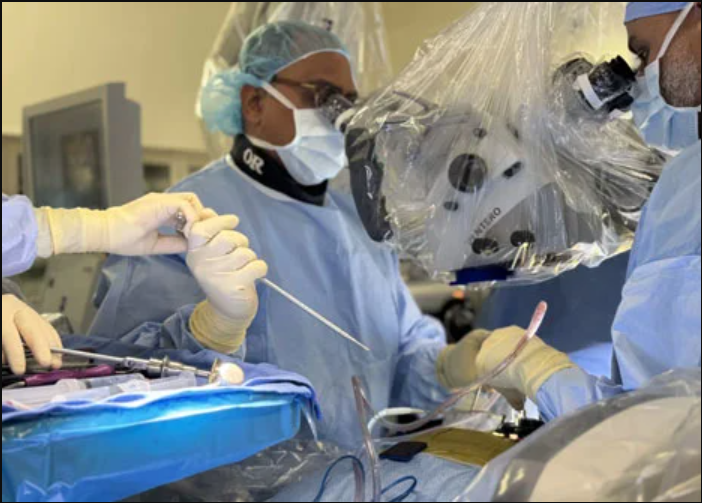
Deciding whether to undergo lumbar spine surgery is never easy; it involves weighing the promise of pain relief against the inherent risks of an invasive procedure. First, evaluate the severity and persistence of your symptoms. If you experience chronic low‑back pain, leg numbness, or weakness that has not improved after at least six weeks of comprehensive conservative care—physical therapy, targeted exercise, medication, and possibly epidural steroid injections—surgery may become a reasonable next step. Imaging studies such as MRI or CT scans should demonstrate a clear anatomical culprit (e.g., a herniated disc, spinal stenosis, or spondylolisthesis) that correlates with your clinical picture; surgery is less likely to succeed when imaging findings and symptoms are mismatched.
Second, consider your overall health and comorbidities. Conditions like uncontrolled diabetes, severe obesity, cardiovascular disease, or smoking increase both peri‑operative complications and the likelihood of a suboptimal outcome. Optimizing these factors—quitting smoking, achieving a healthier weight, and stabilizing chronic illnesses—can improve both surgical safety and recovery.
Third, assess the expertise of the surgical team. Surgeons who specialize in spine care and have a high volume of lumbar procedures tend to report lower complication rates and better functional outcomes. Ask about their specific experience with the technique being recommended—whether it’s a minimally invasive microdiscectomy, a lumbar decompression, or a fusion—and request data on success rates, re‑operation rates, and patient satisfaction.
Fourth, reflect on your personal expectations and lifestyle goals. Surgery aims to relieve pain and restore function, but it does not guarantee a return to high‑impact activities or complete elimination of discomfort. A realistic recovery timeline—often several weeks of limited activity followed by months of rehabilitation—should align with your work, family, and recreational commitments.
Finally, understand the alternatives. Even after failing initial non‑surgical measures, options such as advanced pain‑management programs, spinal cord stimulation, or newer biologic therapies may offer relief without the risks of an operation. A multidisciplinary discussion with a pain specialist, physical therapist, and spine surgeon can illuminate these pathways.
In summary, Lumbar Spine Surgery Freehold may be appropriate when your pain is disabling, imaging confirms a surgically treatable problem, you’re medically optimized, and you have a clear, realistic set of expectations. By carefully reviewing these key factors, you can make an informed decision that balances the potential benefits against the inevitable risks.