
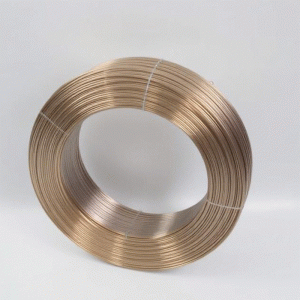
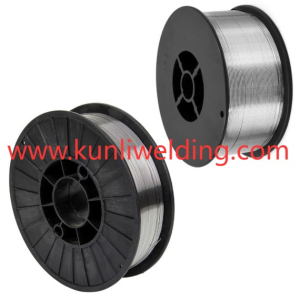
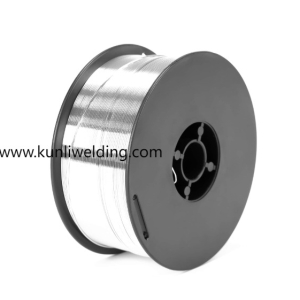
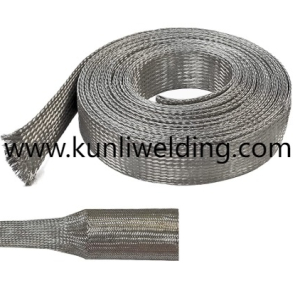
The push for greater fuel efficiency and extended range in modern vehicles has forced engineers to scrutinize every component. The traditional copper wiring harness, a substantial and heavy network, became a primary target for weight reduction. This has led the industry to explore alternative conductive materials. China Aluminum Alloy Wire Manufacturers have been at the forefront of developing solutions that meet the rigorous demands of the automotive environment while offering a significant reduction in mass.
The core advantage lies in the fundamental properties of the material. An aluminum conductor can achieve the same electrical resistance as a copper one while being approximately half the weight. For an electric vehicle, where every kilogram saved can translate directly into additional miles of range, this difference is substantial . This weight savings also benefits traditional internal combustion engines by contributing to overall vehicle efficiency and lower emissions. The reduction is not merely theoretical; it directly impacts the vehicle's performance and operating costs over its lifetime .
However, simply substituting one metal for another is not a straightforward task. Pure aluminum presents challenges, including lower tensile strength and the tendency to form a surface oxide layer that can impede electrical connections . To overcome these hurdles, specific metallurgical advancements were required. By introducing carefully selected elements like iron and magnesium, engineers have created alloys that retain high conductivity while gaining the mechanical robustness needed to withstand vibration and the crimping process during harness assembly . These alloys achieve a balance, providing the necessary pull-off force at terminals and enduring the harsh conditions under the hood .
Furthermore, the connection technology has evolved in parallel with the conductor itself. The bi-metallic corrosion that can occur when aluminum is connected to copper is a well-documented concern. To address this, manufacturers have developed specialized terminals featuring unique serration patterns. These serrations are designed to break through the oxide film during crimping, creating a stable, low-resistance interface. In many cases, this is combined with ultrasonic welding techniques or sealed connector systems to prevent moisture ingress and ensure a durable, long-lasting connection that matches the reliability of traditional copper systems .
The material offers a compelling combination of reduced mass, cost-effectiveness, and reliable performance, meeting the evolving needs of the transportation sector . As the industry continues its journey toward greater electrification and sustainability, the role of advanced materials becomes ever more central. For manufacturers looking to stay ahead of these trends, partnering with experienced suppliers is crucial. To explore how advanced conductor solutions can be integrated into your next project, visit https://www.kunliwelding.com/ . Could this material advancement provide the competitive edge your designs require?