

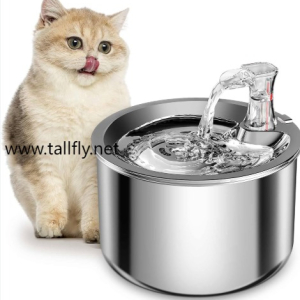


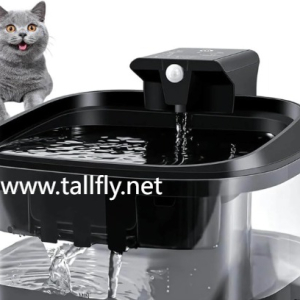

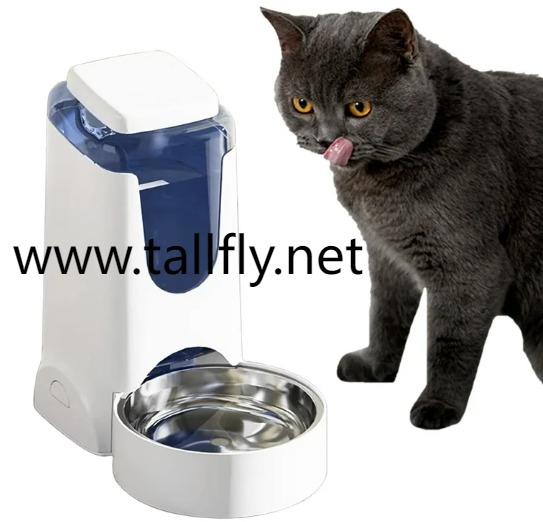
For many household animals, the world is filled with sounds that humans barely notice. While people often tune out the steady hum of refrigerators or air conditioners, animal hearing is typically far more sensitive. This heightened awareness is useful in natural settings but can become a source of ongoing stress indoors. Hydration is particularly vulnerable, as drinking requires an animal to lower its head and temporarily limit its field of vision. Understanding this sensitivity is a key concern for any Pet Water Fountain Factory focused on supporting animal wellbeing.
When cats or dogs approach a water source, they seek refreshment rather than mechanical disturbance. Older automatic fountains frequently relied on standard aquarium pumps not designed for quiet residential environments. These pumps often produced continuous buzzing or grinding sounds. While such noise may seem insignificant to humans, it can resemble an aggressive or unpredictable signal to a cautious pet. Animals that associate water with unsettling sounds may begin to avoid drinking, increasing the risk of dehydration and related health issues.
Quiet pump design relies on several engineering refinements. One primary goal is isolating mechanical vibration from the fountain body. High quality pumps often use ceramic shafts instead of metal, as ceramic materials reduce friction and operate more smoothly within magnetic systems. Pumps are commonly mounted on silicone or rubber dampeners that absorb vibration, preventing it from transferring to the basin and amplifying noise through rigid surfaces.
Water flow design also affects sound levels. Splashing can be just as unsettling as motor noise for sensitive animals. While some pets enjoy visible streams, others prefer nearly silent movement. Adjustable flow settings allow caregivers to control water speed, reducing splash noise during initial adjustment periods. Thoughtful designs guide water down angled ramps or slopes, allowing it to glide into the reservoir rather than fall abruptly and create noise.
The psychological impact of a quiet hydration source is significant. When the fountain blends into the ambient environment, it no longer feels like machinery. This is especially important for rescue animals or those with trauma histories, who may be more alert to unfamiliar sounds. A silent fountain helps signal safety, allowing animals to drink at their own pace without triggering stress responses.
Quiet operation benefits the household as a whole. Water stations are often placed in shared living spaces or bedrooms, where persistent noise can disrupt rest or conversation. Reducing operational sound supports a calmer environment for both animals and people, integrating pet care seamlessly into daily life without added irritation.
Investing in quiet technology supports emotional comfort by removing barriers to hydration. When drinking remains a calm and inviting experience, animals are more likely to maintain healthy water intake habits. For pet owners seeking hydration solutions that prioritize acoustic comfort, options designed for quiet operation are available at https://www.tallfly.net/product/ .