



For decades, the CV has been treated as the universal passport to work.
A neat timeline. Job titles. Company names. Dates neatly aligned.
But in 2026, that format no longer reflects reality.
Work has changed—dramatically—yet most resumes haven’t.
Today’s professionals don’t work in straight lines. They build careers through projects, services, outcomes, side engagements, freelance contracts, advisory roles, and hybrid work models. The traditional CV struggles to capture any of that meaningfully.
The Rise of Skills-Based Hiring
Organisations are increasingly hiring for what people can do, not just where they’ve worked.
Research highlighted by Harvard Business Review shows a growing shift toward skills-based hiring, where demonstrated capability, adaptability, and applied knowledge matter more than job titles or tenure.
Why? Because:
- Roles change faster than titles
- Skills transfer across industries
- Outcomes matter more than hierarchy
A CV built for the 1990s cannot evaluate a workforce built for today.
Why Linear Resumes Fail Modern Professionals
1. They Assume Careers Are Straight Lines
Most CVs expect:
- One role after another
- Clear promotions
- No overlaps
Reality looks more like:
- Parallel projects
- Consulting alongside employment
- Freelance and contract work mixed with permanent roles
The linear format erases real experience.
2. They Focus on Titles, Not Impact
Job titles are vague, inconsistent, and often misleading.
“Consultant,” “Manager,” or “Specialist” tells an employer very little about:
- Problems solved
- Value delivered
- Measurable outcomes
What matters isn’t the title—it’s the result.
3. They Hide Transferable Skills
A CV rarely shows:
- How skills evolved
- Where they were applied
- How they connect across projects
This makes capable professionals appear less relevant than they actually are.
Portfolios, Projects, and Proof: The New Career Language
Modern professionals are increasingly evaluated through:
- Project histories
- Service offerings
- Case-based outcomes
- Demonstrated expertise
Platforms like LinkedIn Economic Graph consistently highlight the growth of:
- Freelance work
- Hybrid careers
- Multi-role professionals
In this world, proof beats promises.
Hiring Based on Capability, Not Titles
Forward-thinking companies now ask:
- What problems can this person solve?
- What have they actually delivered?
- Can they adapt and execute?
This approach aligns with workforce transformation insights from Deloitte, which emphasise agility, skills visibility, and outcome-based evaluation as essential for modern hiring.
Where My Premium Service (MPS) Comes In
This shift is exactly why My Premium Service (MPS) was built.
MPS recognises that:
- People work across services, not just roles
- Experience lives in projects, not timelines
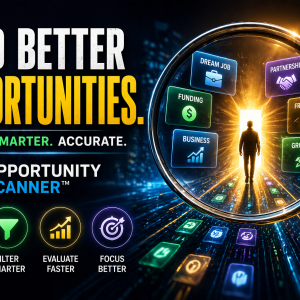
- Capability should be visible, structured, and searchable
🧩 The MPS Resume Builder: Built for How People Actually Work
Unlike traditional CV tools, the MPS Resume Builder focuses on:
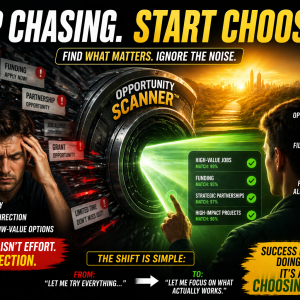
✅ Skills First
Highlight what you can do—not just where you’ve been.
✅ Services & Expertise
Define the services you offer, whether you’re a freelancer, consultant, or hybrid professional.
✅ Project-Based Experience
Showcase outcomes, deliverables, and real-world impact.
✅ Flexible Career Representation
Perfect for:
- Freelancers
- Consultants
- Remote workers
- Portfolio professionals
- Hybrid careers
Instead of forcing modern careers into outdated templates, MPS adapts to reality.
Why This Matters for the Future of Work
As work continues to evolve:
- Roles will change faster
- Careers will diversify
- Skills will expire and renew
The professionals who thrive will be those who can clearly show what they do and why it matters.
Traditional CVs can’t do that anymore.
Final Thought
The question is no longer:
“Where have you worked?”
It’s:
“What can you do—and can you prove it?”
My Premium Service (MPS) exists to help professionals answer that question with clarity, confidence, and credibility—no matter how non-linear their career path may be.