

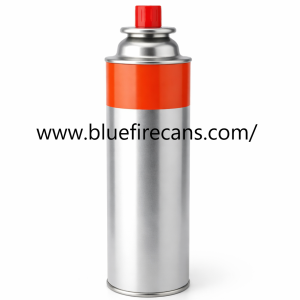
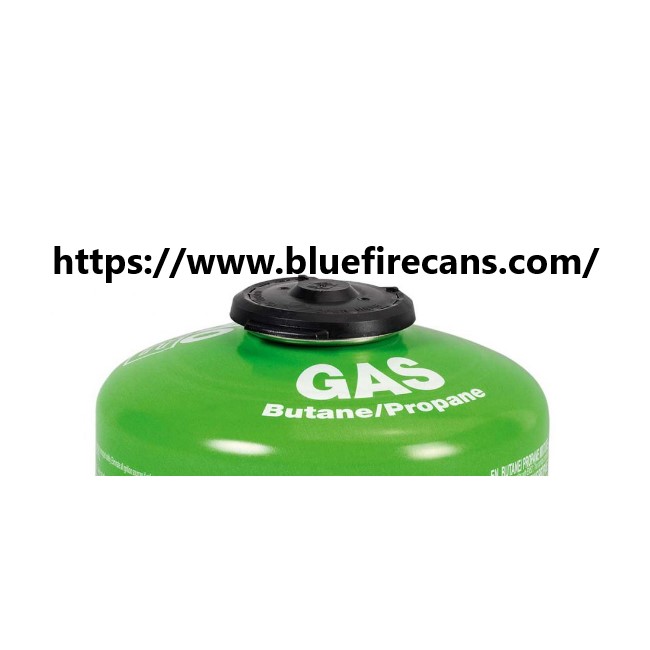
A quiet piece of kit can make a big difference when you pack for an overnight outing. Bluefire 100g Gas Cartridge arrives in that role as a compact source of heat that many backpackers and weekend cooks trust for quick meals and tea breaks. How you stash those cylinders between trips affects safety and performance so it is worth taking a few thoughtful steps before you load them into a closet or trunk. The manufacturer page highlights testing routines and production checks that are part of how these cylinders are presented to the market.
Storage starts with choosing the right place inside a home or workshop. Aim for a cool dry spot out of direct sunlight and away from sources of heat such as stoves water heaters or radiators. Heat exposure can raise internal pressure and shorten the useful life of a sealed cylinder while long exposure to sunlight can stress seals and paint finishes. Avoid damp basements that can promote external corrosion and never store cylinders near flammable materials or electrical panels. These common sense choices reduce the risk of leaks and make the canister easier to handle when you need it.
Orientation and handling matter. Keep unused canisters upright when you store them and while you transport them. Upright positioning helps keep the valve and internal contents in their designed state so connections remain predictable and the valve is less likely to pick up debris. When loading a pack or vehicle cushion cylinders so they cannot roll around and avoid placing weight on top of them. If a canister is dented or creased discard it instead of attempting to use it later because physical damage can compromise the pressure vessel. The product notes emphasize thorough inspection before the product leaves the factory and encourage users to inspect parts prior to use.
Temperature swings are a practical concern for people who store spares in garages camper vans or vacation homes. Rapid changes between warm days and cool nights expand and contract materials and increase stress on seals and closures. If you store cylinders in a vehicle during a season that brings temperature extremes consider moving them into a moderated environment between trips. When you prepare to use a cylinder in cold conditions allow a sealed cylinder to warm slightly to ambient temperature before connecting it to equipment so vapor pressure is stabilized for reliable burner performance.
Labeling and inventory control reduce confusion at the moment you pack. Group cylinders by type and, if you keep multiple brands or sizes, make sure the canister type is clear so you avoid mismatching fittings or relying on an adapter that is not rated for the device. If you keep spare cylinders for longer storage mark the date you acquired them with a non permanent marker to rotate stock by age rather than guessing. The manufacturer offers a range of sizes and describes the threading standard so shoppers can align canisters with compatible stoves and connectors.
Regulatory safe handling is part of the chain from factory to field. The producer page notes compliance and batch testing routines as well as air tightness inspections and drop testing. That kind of visible quality control reduces the chance of receiving compromised cylinders but it does not replace sensible storage habits once the product is in your hands. Treat cylinders like other pressure containing devices and follow the handling guidelines that came with your gear.
When travel or supply chain uncertainties are in the news people often buy spare cartridges to avoid last minute shortages. If you adopt that approach do not overstock beyond what you can reasonably rotate through. Large accumulations in a small space make safe storage harder and increase the chance that a damaged canister will be overlooked. Use a simple inventory practice and store only the number of sealed cylinders you expect to use within a reasonable timeframe. Rotate stock and keep older sealed canisters toward the front so the oldest are used first.
A few everyday checks keep things safe and predictable. Before connecting a sealed cylinder look for dents rust or other visible deformities. Ensure the valve cap if present is secure and that threads are free of dirt. Never attempt to refill disposable canisters or modify valves. When you remove a spent cylinder vent it outdoors or in a ventilated area and dispose of it according to local guidance for pressurized metal containers. The manufacturer page outlines production tests and suggests users verify compatibility with their stoves to reduce fit issues at the trailhead.
Good storage is a small investment of attention that returns steady performance and safer handling. Keep cans cool dry upright and labeled. Protect them from impact and direct heat. Rotate what you buy and inspect before use. These simple habits reduce the chance of a ruined meal a bad evening or an avoidable safety concern when you are away from home. If you would like to review available sizes and product notes for planning your pack visit the camping cartridge listings at https://www.bluefirecans.com/product/ .