

When a product team sets out to create a personal care spray that customers will reach for every day, component choices shape long term performance and user trust. An Aerosol Valve Manufacturer perspective matters because valve selection affects spray feel, package safety, and regulatory fit without being visible on the shelf. Designers and formulators should think beyond aesthetics and ask how a valve will behave after thousands of actuations, how it copes with different formula chemistries, and how production consistency will influence delivery at scale.
Start with how the valve handles pressure and seals. Valves that are engineered to meet recognized testing for airtightness and pressure resilience reduce the risk of slow leaks and product spoilage. Reliable sealing also preserves fragrance and active stability so that a misting or foam product maintains the intended sensory profile over its shelf life. The supplier I reviewed emphasizes testing and automated checks that focus on air tightness and pressure performance which helps reduce variability across batches.
Material compatibility is the next pillar. Personal care formulas contain solvents, fragrances, and surfactants that can interact with plastics and elastomers. Choose valve materials specified for contact with your formulation class and confirm that the manufacturer offers compatible seals and actuator materials. Some valve lines include different internal liners and elastomer compounds to avoid swelling or odor transfer. Ask for material samples and accelerate ingredient contact testing in early prototypes.
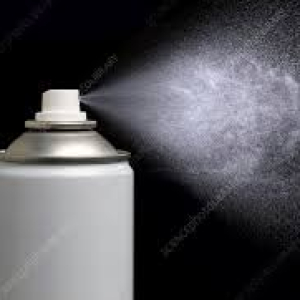
Actuation and user feel are often underestimated in specification sheets yet they define purchase satisfaction. The valve and actuator geometry determine spray pattern droplet size, whether the output is a fine mist or a denser spray, and how the product dispenses at the beginning and near the end of can life. Consider valves available in single layer and double layer constructions which can influence flow dynamics and actuator responsiveness.
Manufacturing consistency matters for brand safety and returns. A stable, fully automatic production line that runs routine inspections reduces run to run variance. Opt for suppliers that publish inspection practices or offer batch level testing so you can trace performance if anomalies arise. The manufacturer page I consulted highlights automated production and routine testing aimed at maintaining consistent valve output across lots.
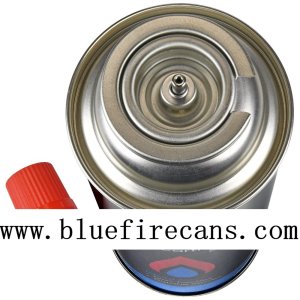
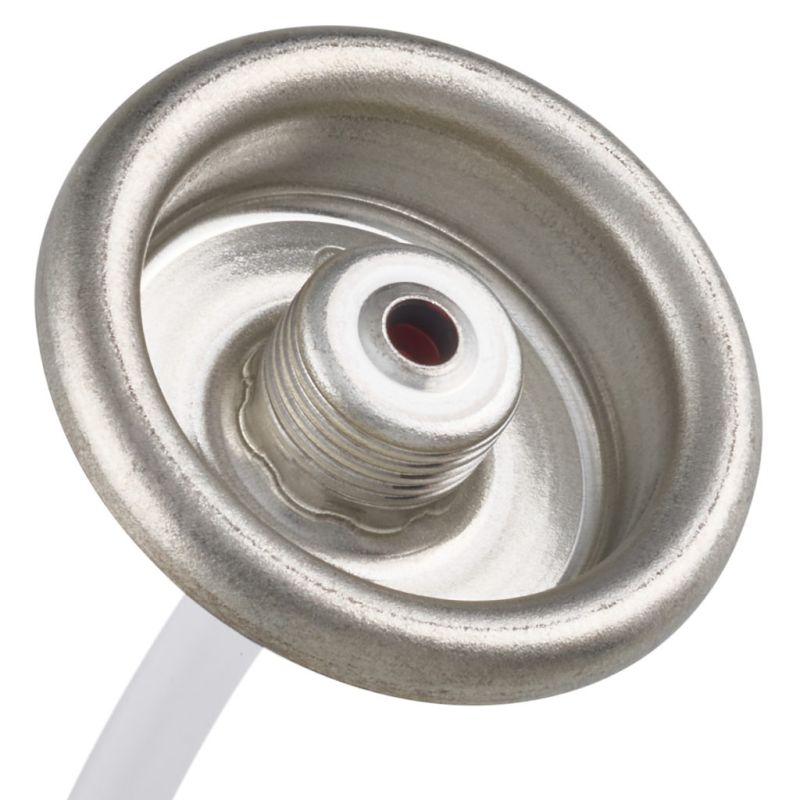
Thread and attachment choices are practical but consequential. The thread type must match your can geometry and filling line interface. Some valves come in universal thread standards while others are available in regional thread variants for different filling equipment. Sourcing options that include thread alternatives and customization avoids retrofits at the filling line and helps keep throughput predictable.
Environmental and regulatory fit should be discussed early with suppliers. Valves for personal care must be compatible with volatile ingredients that may have regulatory constraints. Choose partners that can support documentation and testing for air tightness and pressure behavior and who can collaborate on certification needs. The product information I examined indicates the supplier offers a range of valve specifications and customization services to meet different customer needs which helps when regulatory or logistical adjustments are required.
Sustainability and end of life are rising priorities for consumers and brands. Ask if valves can be designed for easier separation of materials at recycling streams and whether the actuator or cap materials are recyclable in your target markets. Small design choices can influence the recyclability profile of the whole package and can be highlighted in product communications when appropriate.
Service and technical partnership make a difference. The right supplier will offer prototyping support, performance testing, and a dialogue about how a valve will behave with your specific formula through development and validation. Look for partners that describe how they support custom runs and how they ensure delivery reliability. The vendor details I reviewed show a focus on custom valve options and production support designed to integrate with high pressure aerosol can lines.
Finally consider logistics and after sales. Valve lead times, minimum order quantities, and spare part options affect launch cadence and post launch troubleshooting. A supplier that provides clear communication on order flow and inspection reports helps operations teams avoid surprises during scale up. When you pair a comprehensively tested valve with proactive supplier collaboration you reduce the chance of field issues that damage consumer trust.
Selecting the right valve for a personal care product is a systems decision. It blends material science, user experience, manufacturing practices, and supplier service. When these elements are aligned you get a product that sprays as intended, maintains formulation stability, and scales reliably through production and distribution. If you want a starting point for conversations with suppliers consider asking for performance data on sealing, materials lists for elastomers and liners, actuator spray maps, and examples of customization options available for different thread standards. The product pages on the supplier portal can help identify specific valve families for testing and integration https://www.bluefirecans.com/product/ .